"...In Greenwich Village, we’d go dancing in lesbian bars, to raucous dyke parties heavy with pot smoke, and to poetry and music events at the women’s coffee house."
Chana Wilson and her mother were both rescued from the claustrophobic 50s by the Second-wave feminist movement of the 70s. In Wilson’s Riding Fury Home (Seal Press), she writes an inspired account of how the burgeoning revolution directly and radically changed her and her mother’s lives. Read More
Lisa Cohen’s lush biography, All We Know (Farrar Straus and Giroux), is a staggering labor of love that offers a triptych of three women of a queer persuasion. Cohen sets this story in the early 20th century, giving her audience a catalogue of the largely forgotten life during that time. Her subjects--the great intellectual Esther Murphy, the celebrity connoisseur Mercedes de Acosta, and the fashion maverick Madge Garland... Read More
Sarah Leavitt takes on the difficult task of chronicling the devastating loss of both her mother, and her mother’s memory to Alzheimer’s, in this graphic novel. Read More
The title of Alison Bechdel’s novel riffs off P.D. Eastman’s book Are You My Mother?, an easy-reader many babyboomers who...
Spanning the breadth of her parents’ tumultuous relationship and ending with the aftermath of her mother’s death, author, therapist, and...
"Everyone’s talking about the death and disappearance of the book as a format and an object. I don’t think that will happen. I think whatever happens, we have to figure out a way to protect our imaginations. Stories and poetry do that."
Famed author Jeanette Winterson talks with Lambda about her new memoir, her writing process, and her thoughts about the queer community. Read More
Jeanette Winterson’s new memoir returns the scenes of her semi-autobiographical novel Oranges Are Not The Only Fruit, published when Winterson was twenty-five. Like the car crash you crane your neck to see, readers will once again encounter the harrowing insanity of her adoptive mother, Mrs. Winterson, “a flamboyant depressive; a woman who kept a revolver in the duster drawer, and the bullets in a tin of Pledge.” Read More
In Small Fires, Julie Marie Wade, who won a Lambda for her memoir Wishbone, considers family and memory with a poetic eye and unabashed tongue. With her carefully chosen words and a studied deliberateness, Wade proves unafraid to delve into her past—to skillfully reconstruct the events of her youth, from the horrifying to the sentimental to the self-conscious and beyond. Read More
Córdova expertly narrates her story with drama, compelling dialogue, and wit. Clearly written, with close attention to historical details, When We Were Outlaws is an important contribution to the burgeoning collection of memoirs by lesbian-feminists. Read More
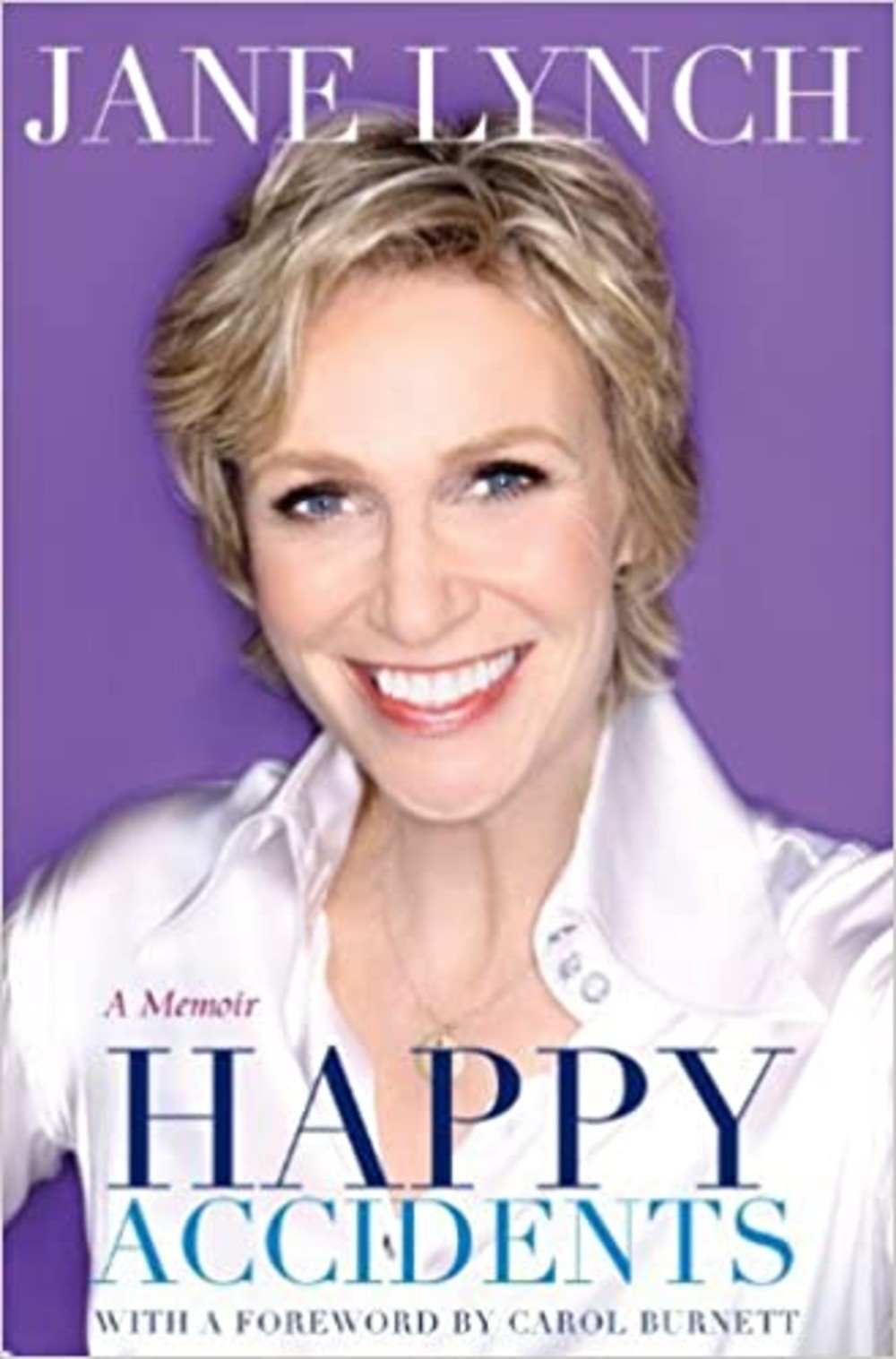
Happy Accidents (Voice), Jane Lynch’s breezy memoir about her life and work as a post-Stonewall American actor, has something for...