Novels about war, like novels about all-boys schools, are usually as much about male bonding as they are about war or growing up. In this regard, Tatamkhulu Afrika’s Bitter Eden, which is set in a series of WWII POW camps, fits the mold. Read More
Roscoe knows his subject’s work and life thoroughly; he knows that the difference between Wescott’s first-person stories and first-person essays can be paper thin. He very smartly arranged the autobiographical material in A Visit to Priapus chronologically to trace for the newcomer the arc of Wecott’s life, and in the process he also happily satisfies the Wescott lover’s taste for more quality work.
Read More
If you’re asking yourself who this Charles Jackson is, or why you’d want to read anything he wrote, you’re probably not alone. Read More
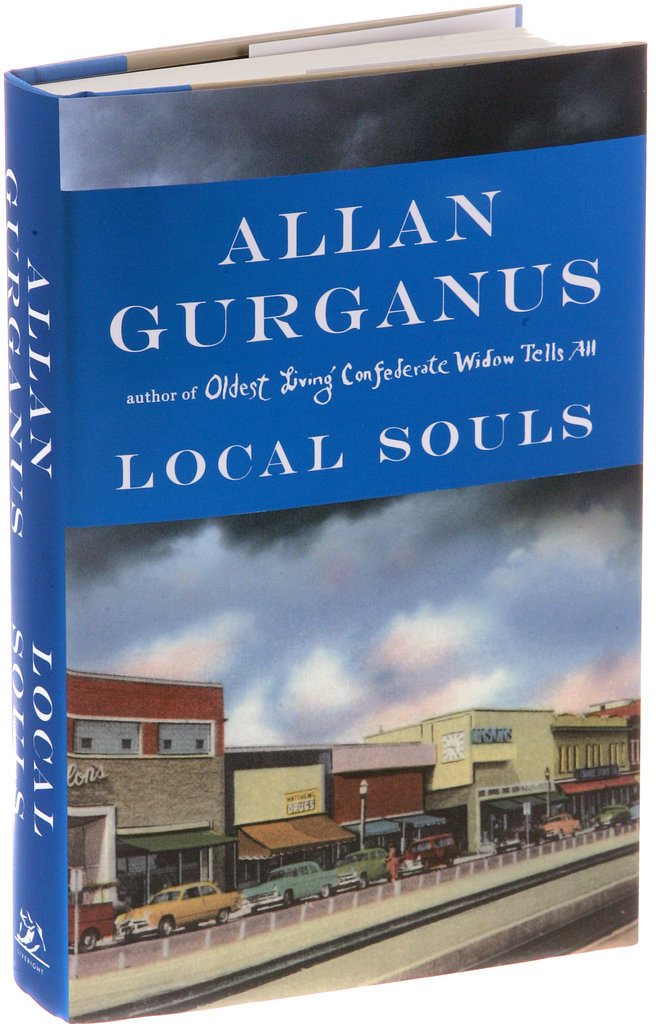
Gurganus delivers airtight stories told in language as distinctive as you’ll ever want. Read More
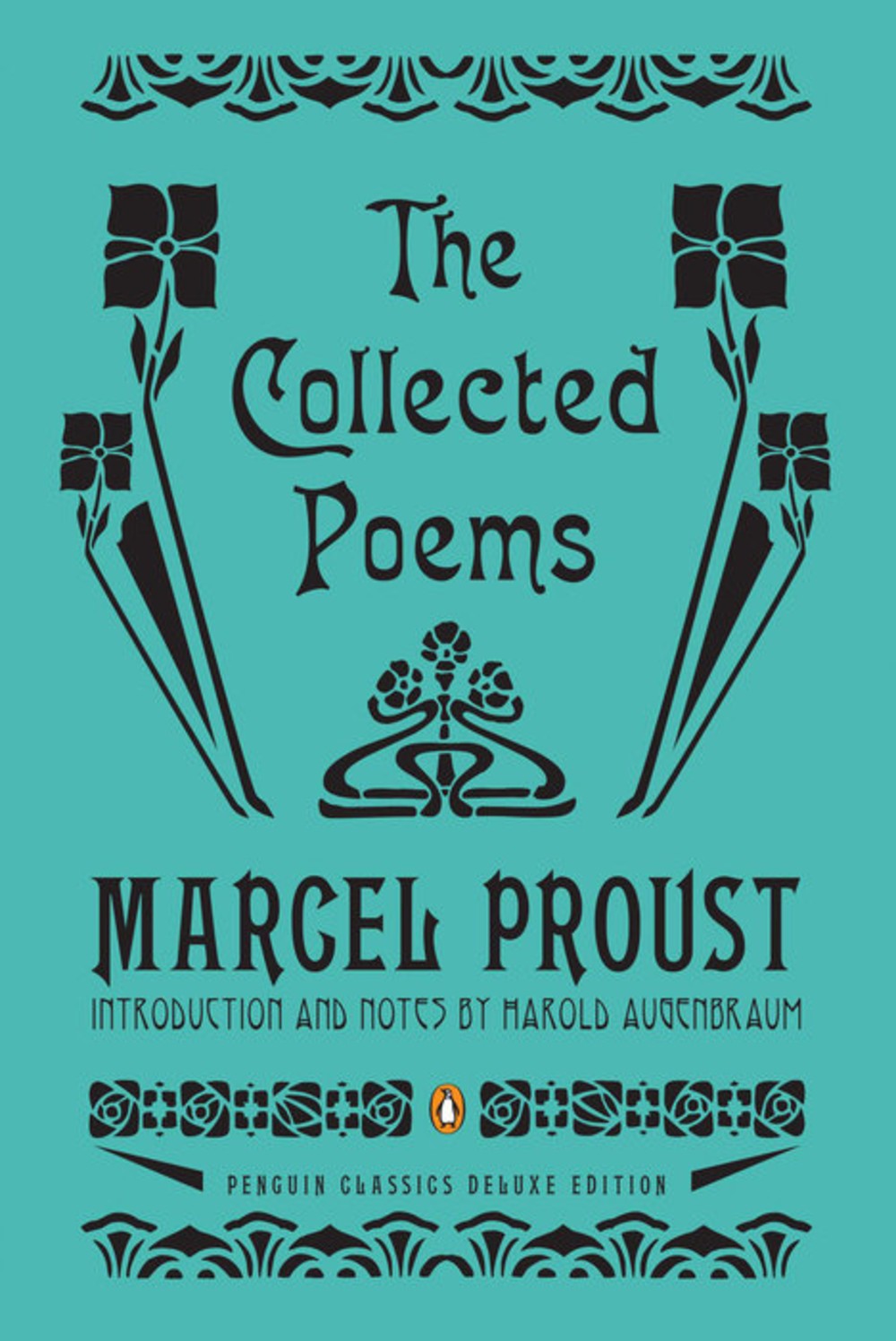
Anyone who takes on Marcel Proust: The Collected Poems (Penguin Books) would do well to understand certain approaches to Proust’s...
Fairyland: A Memoir of My Father (W.W. Norton & Company) by Alysia Abbott manages to pick up the nearly moribund genre of the AIDS memoir, give it a good dusting off, and then send it back out into the world with something like a fighting chance. Read More
Perhaps the best way to approach Christopher Isherwood in America: Middlebrow Queer (University 0f Minnesota Press) by Jaime Harker is one idea...
The Missing Ink, is very much concerned with the loss of individuality and character—a sad phenomenon that has been brought about by, among other things, the dominance of the keyboard. Read More
“We were put in the mood for ghosts….”
So begins what has been called one of Edith Wharton’s finest short stories, “The Eyes.” “The Eyes” is a psychological fable artfully disguised as a Gothic ghost story, and as such “The Eyes” warns its readers, among other things, against the personal consequences of denying one’s sexuality. Read More
"On Being Different: What It Means to Be Homosexual” is an essay the writer Merle Miller published in The New York Times Magazine two years after the 1969 Stonewall Riots, a time when the newspaper used the word gay, but only in quotation marks. Read More